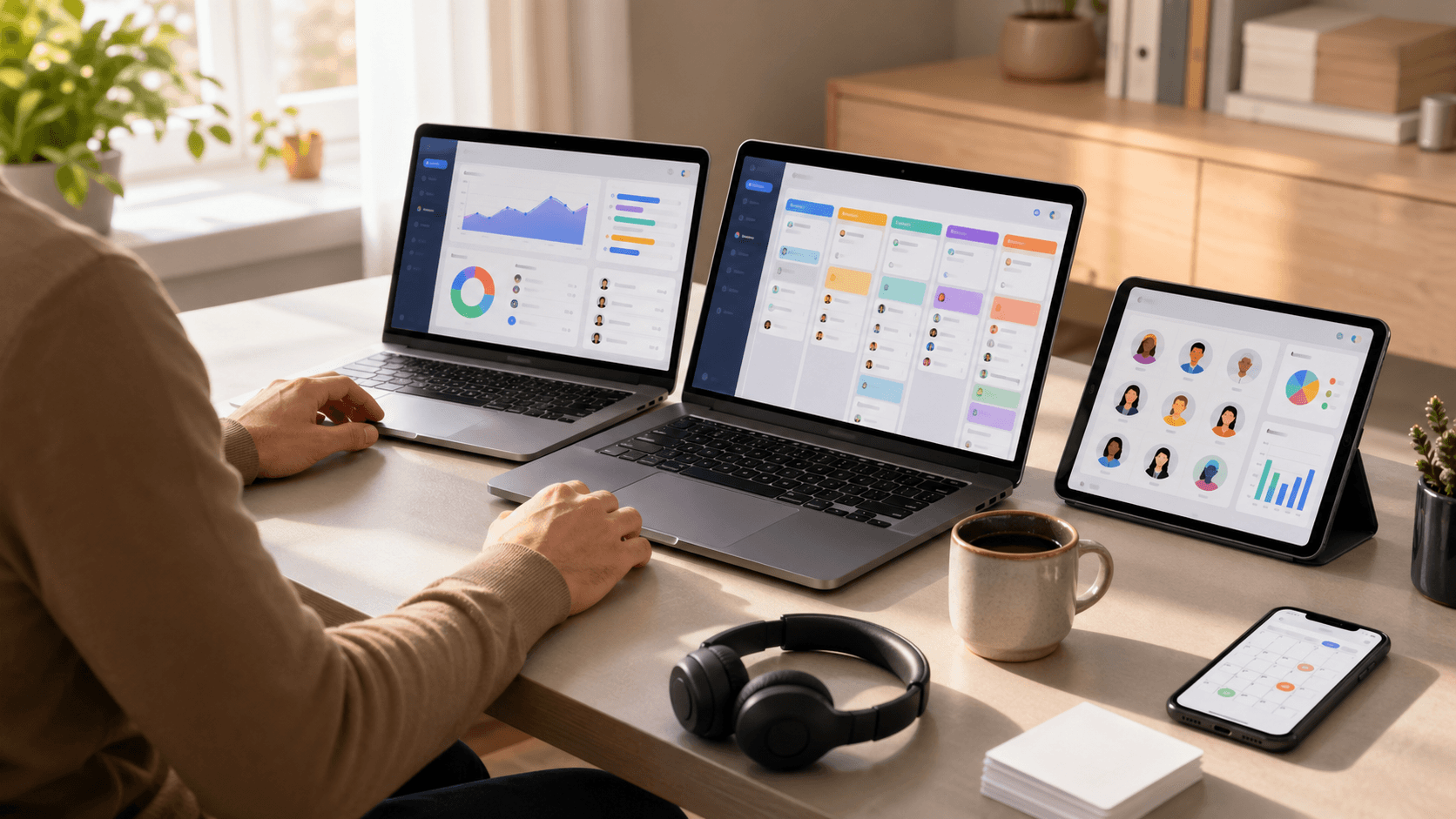
Choosing the right CRM for solopreneurs is not always simple. When you're already answering emails, handling client needs, and managing your marketing, the thought of adding another tool can feel like too much. But when picked well, a CRM can give you space, not more stress.
A useful CRM helps with things like follow-ups, storing contact details, scheduling, and keeping track of conversations. It is meant to simplify those daily moving parts without piling on extra work. As early spring sets in, this is a good time to think through what you need and what you don't before making a decision. Whether you're running your business solo in Morrow, Ohio, or anywhere else, the right setup should fit into your routine without slowing you down.
What a CRM Actually Does (And Doesn’t Do)
A CRM does much more than store names and email addresses. At its best, it tracks how a lead found you, what you have talked about, and when to follow up again. Some systems even handle task reminders and scheduling to help you stay on top of repeat work.
Still, we run into some wrong ideas about what a CRM can do:
- CRMs do not replace personal conversations.
- They do not bring in leads on their own.
- They will not solve bigger challenges like unclear offers or poor client fit.
What they do is bring everything into one spot. They give structure to loose sticky notes, past messages, and spreadsheets. But they still need your direction. Think of a CRM as a tool that follows your lead. It will not think for you, but it will help you keep moving.
At Solopreneur Solutions, we help clients make the most of simple CRM tools while connecting them to other digital marketing strategies that bring in and nurture leads, making sure your new setup supports your goals.
Signs You’re Ready to Use a CRM
Some solopreneurs try to stretch their spreadsheets as far as they can. Others jump from one free tool to another. While that can work short-term, it usually leads to more confusion than clarity after a while.
You might be ready for a proper CRM when:
- You keep forgetting to follow up with leads or past clients.
- You are repeating the same email more than a few times each week.
- You use multiple tools every day that do not connect with each other.
Once you start repeating tasks or patching together workarounds, a good CRM can smooth that out. The keyword is not fancy, it is helpful.
What to Watch For Before You Choose
Not every CRM will fit the way you actually run your business. Some require constant attention. Others are hard to set up or feel overwhelming right from the start. We think it's smart to keep an eye on a few key things before committing.
Look for:
- Features that match your daily habits, not someone else’s idea of how you should work
- A clear idea of what matters now versus what features you might grow into later
- Tools that are easy to use without too much training or support just to get started
Even the best CRM is not helpful if it slows you down every time you log in.
How to Pick a CRM That Won’t Slow You Down
Simplicity matters. The best CRM for solopreneurs will not feel like something you have to fight every day. It should work with how you already think, not ask you to track more than you already do.
When picking your setup, try to:
- Keep things lightweight without skipping what matters most
- Avoid stacking extra features just because they are offered
- Make sure there is room to grow but do not build for problems you do not yet have
You want a system that saves time, not one that turns into another to-do. If it is flexible without being cluttered, you are probably going in the right direction.
Solopreneur Solutions offers personalized workflow mapping and CRM integration as part of our digital marketing services, so your systems actually work together and reflect your daily needs.
Timing Your CRM Setup for Early Spring
Late winter in places like Morrow, Ohio, tends to be quieter. Fewer projects start, and there is usually a little more breathing room. That makes now a smart time to test new systems before the pace picks up.
Here is why this season works:
- You can take your time setting up without feeling rushed.
- Feedback you got over the winter can guide updates while it is still fresh.
- Even small improvements now will pay off during the busier spring months.
This is the time to fix the little things that slow you down before they multiply once client work increases.
Keep It Easy, Useful, and Yours
Choosing a CRM does not have to be perfect. The goal is to find one that fits the way you already work and helps you stay steady as things grow. That kind of fit often matters more than a long feature list.
We have seen solopreneurs thrive with simple tools they trust and understand. The right system should give support, not add weight. As spring approaches, this is your chance to prep your systems in a way that lets you take on more without feeling like you are doing it alone.
Running a business in Morrow, Ohio, means you need systems that actually work together, not against you. At Solopreneurs LLC, we specialize in helping solopreneurs build simple workflows that support consistent follow-up, effective organization, and steady growth, not daily reinvention. A strong setup for CRM for solopreneurs ties up the loose ends so your tools fit your process, not interrupt it. Let’s talk about what would make the most sense for your business and move forward with confidence.